Rwanda Digital ID 2027: Check Readiness Before June Deadline
Old Rwandan ID cards expire after June 2027 — will your bank account, SIM card and hospital access still work? Check your digital ID readiness before the deadline.
By Scheme Tools Editorial Team · Last updated: 2026-10-11
🛠️ Digital ID Readiness Checker
Documents + status → your readiness + deadline countdown.
1 Do you currently hold a Rwandan national ID or refugee ID?
2 Do you have your birth certificate or old ID document?
3 Have you completed digital ID enrolment (biometrics)?
Overview
Rwanda’s National Identification Agency (NIDA) has confirmed the deadline: old national ID cards become unusable after June 2027, and the new digital IDs roll out from July 2027. Around 14 million people — citizens, migrants, foreigners and newborns — are affected.
The fear driving searches is practical: "Will my bank account, hospital access or SIM card stop working?" The answer depends on whether you complete enrolment in time and have the right documents. Use the readiness checker above — then confirm on nida.gov.rw.
Note: enrolment campaign details are still being published. Treat dates here as the announced position.
Note: this is an independent guide, not a government website.
Citizens, migrants, foreigners and newborns — around 14 million people.
What documents do I need?
NIDA will publish the list; typically birth certificate / old ID / proof of residence.
Will my SIM/bank stop working?
Services tied to ID verification may require the new ID — enrol early.
Is this site official?
No. An independent guide.
Where do I go to enrol for the digital ID?
Enrolment is run by NIDA through registration centres, and a nationwide campaign is rolling out ahead of the July 2027 launch. Watch nida.gov.rw for your sector or district's schedule. Enrol early — waiting until June 2027 risks long queues and missed services.
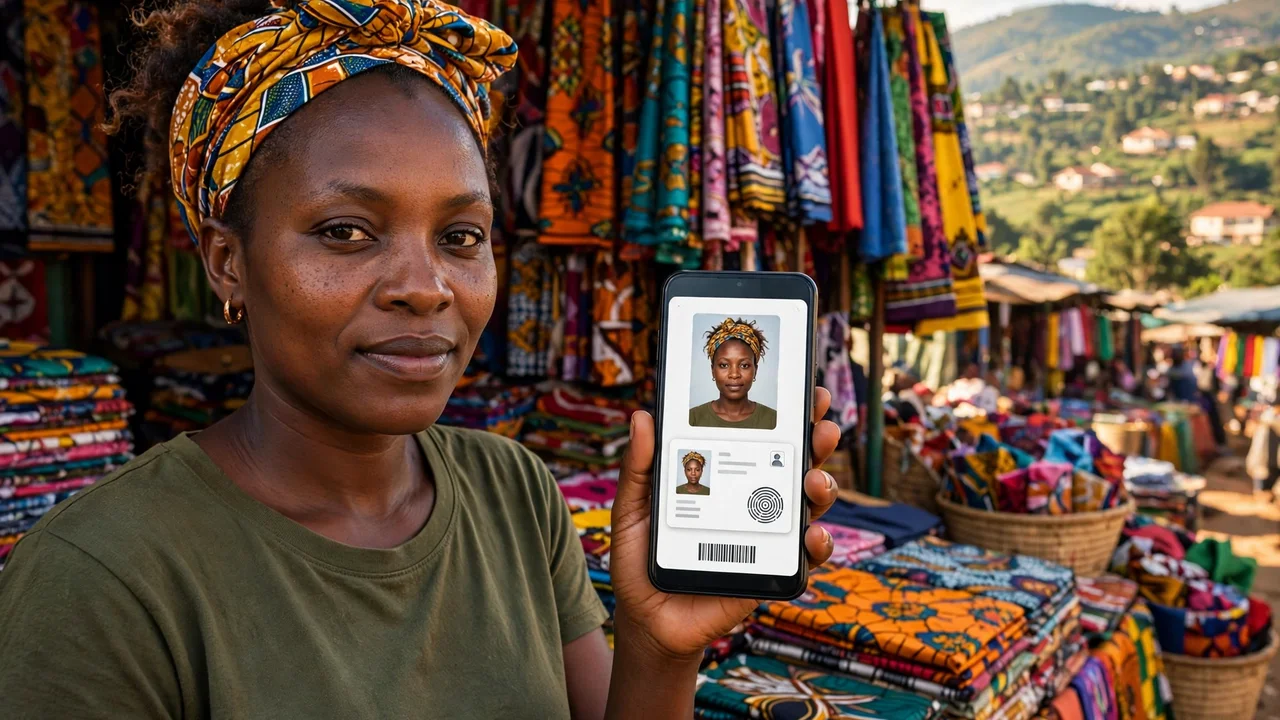
Is the digital ID a physical card, a phone app, or both?
It is primarily a digital identity — a credential you can present electronically — though NIDA will clarify the exact formats available. Do not expect a one-for-one replacement of the old card's look. Whatever the format, the key point is enrolment: without it in the system, the format will not matter.
I have no birth certificate — can I still enrol?
You should still be able to enrol, but allow extra time. NIDA registration processes normally include routes for people without standard documents, often involving local authority attestation. Start at your sector office as early as possible rather than waiting for the deadline rush.
Can Rwandans living abroad enrol for the digital ID?
The diaspora is part of the affected population, and NIDA is expected to provide enrolment routes for citizens abroad — typically through embassies or designated missions. If you live outside Rwanda, check nida.gov.rw or your nearest embassy for the diaspora enrolment plan.
Will the digital ID replace my passport?
No. The digital ID is a national identity credential for use within Rwanda's systems — banks, SIM registration, health services and similar. International travel still requires a passport. Think of it as the upgrade to your national ID card, not a travel document.
What happens if I miss the June 2027 deadline?
Your old ID becomes unusable, and any service that requires ID verification — banks, SIM cards, hospitals — may refuse you until you enrol. Enrolment does not necessarily stop in July, but you would be doing it from a position of blocked services. The safe move is to enrol months ahead.
Is my personal data safe in the digital ID system?
NIDA operates under Rwanda's data protection law, which requires safeguards on how personal data is collected and used. No system is risk-free, but the legal framework exists. As with any ID system, never share your credentials or one-time codes with anyone claiming to 'help' with enrolment.
Related searches
Rwanda digital ID 2027NIDA digital ID deadlineRwanda ID card expiry June 2027digital ID enrolment RwandaNIDA requirementsNIDA digital IDRwanda national ID 2027Rwanda Single Digital ID
Related questions
Community Q&A
Community is in beta — questions appear instantly after an automatic check.
No questions yet — be the first to ask!
We use no tracking cookies. Only your cookie choice is stored on your device. Privacy Policy