Update — 9 November 2026: the third and fourth tranches (₱4,000) started crediting on Friday, 6 November 2026 — Group 2 digitally to GCash or LandBank accounts enrolled via eGov PH, manual payouts running 2–30 November, and Group 3 through SSS disbursement accounts from 6 November, as announced by DSWD and SSS. Members who received tranches 3 and 4 have now received ₱8,000 of the ₱12,000 total; ₱4,000 (tranches 5 and 6) remains. DSWD also repeated its warning: never share personal or bank details with suspicious social media posts or texts.
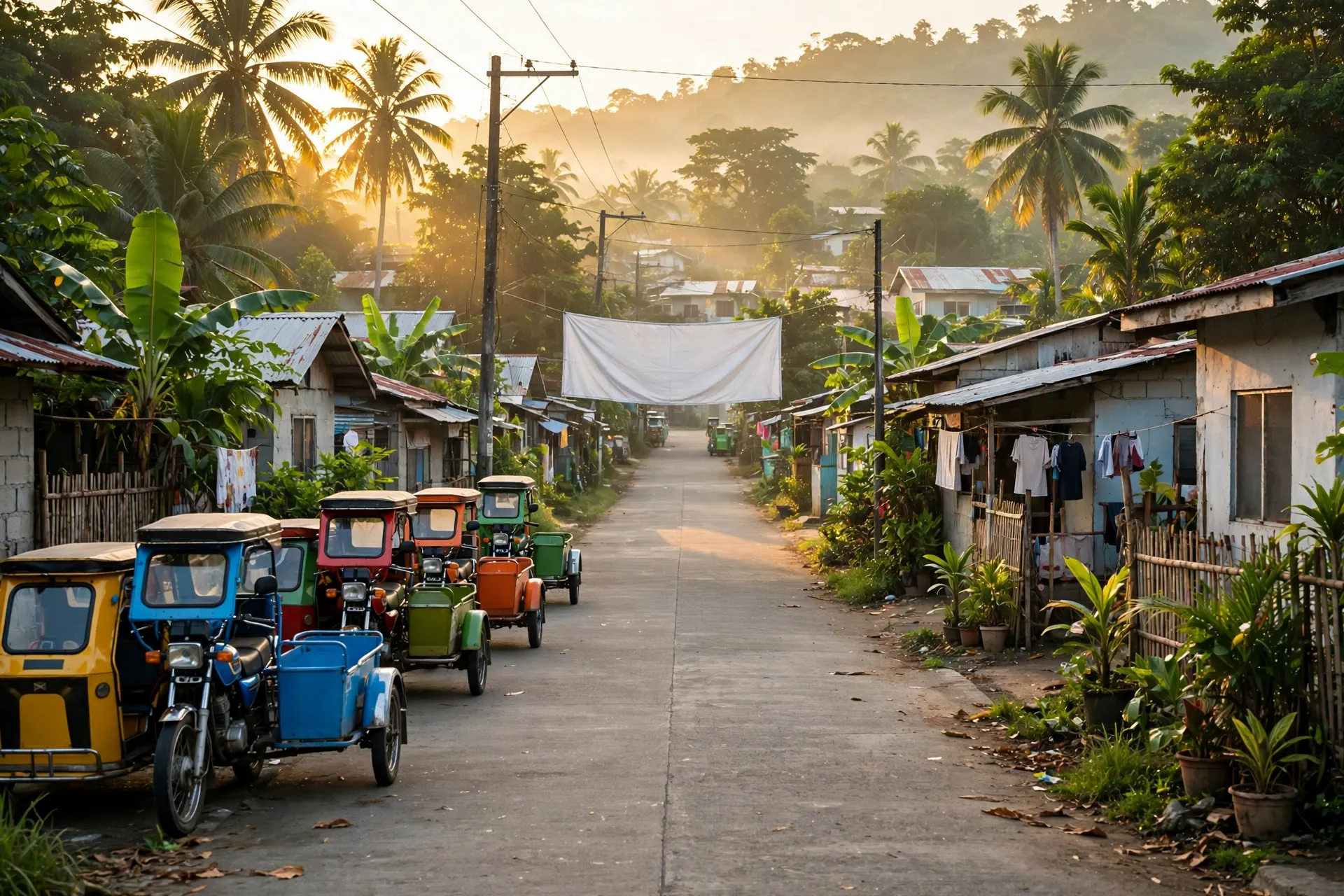
Earlier this year, you could feel fuel prices climbing everywhere — in the jeepney fare your driver quietly raised, in the palengke where your usual ₱500 bought a little less each week, in the tricycle fare to school that never went back down. The government named it plainly: a National Energy Emergency. And through Executive Order No. 110, signed by President Ferdinand R. Marcos Jr., it answered with a program called UPLIFT.
UPLIFT stands for the Unified Package for Livelihood, Industry, Food, and Transport — a DSWD program built to cushion ordinary families from those fuel-price rises. About 7.5 million households are covered, as announced, and for most of them the help is ₱2,000 a month. But the groups differ in amount and delivery, and — this matters most — there is nothing to apply for. This guide walks you through all of it, plainly.
What UPLIFT actually is — and why it exists
UPLIFT is a DSWD program mandated by Executive Order No. 110, signed by President Ferdinand R. Marcos Jr. When fuel prices surge during a declared National Energy Emergency, the cost doesn't stay at the gas station — it ripples into transport fares, food prices, and the daily budget of every Filipino household. UPLIFT exists to soften that blow.
It isn't a loan — it's direct cash assistance to help families cope while energy prices stay high. Roughly 7.5 million households are covered across the three groups, as announced, making it one of DSWD's widest-reaching cash programs this year. That scale is also why so much confusion, and so many scams, grew up around it.
The three groups, in plain language
Here's what most people mix up: UPLIFT isn't one single payout. DSWD split beneficiaries into three groups, each drawn from a different list, each with its own amount and payout channel. Which group you're in decides everything about your money.
Group 1: about 3.5 million 4Ps and Walang Gutom households — a one-time ₱2,000 released in July 2026, sent automatically to the LandBank account or GCash wallet already on file, as announced. Group 2: about 2.5 million poor and near-poor households identified through the 2024 Community-Based Monitoring System of the Philippine Statistics Authority, not in 4Ps — ₱2,000 every month from July to December 2026, ₱12,000 in total, as announced. Group 3: around 1.5 million employed SSS members with a monthly salary credit of ₱20,000 or less and at least one SSS contribution in 2025 or 2026 — also ₱2,000 a month, July to December 2026, ₱12,000 total, as announced.
How the money actually reaches your hands
Group 1 was fully automatic — no forms, no enrollment, nothing to sign. Group 2's July 2026 payout was manual, handed out at barangay courts and assembly areas; from August to December it turned digital, credited to GCash or LandBank accounts enrolled through the eGov PH app or the G2P portal. If you're in Group 2 and a later payout seems missing, an unenrolled or wrong account is the first thing to check.
Group 3 moves through the SSS system: payouts go to the member's disbursement account registered under DAEM, with notifications by email or My.SSS. As reported, the second tranche was credited by October 16, 2026 — and as announced, members must remain qualified to keep receiving the succeeding payouts.
The payout rhythm: the 14th to the 16th
DSWD Secretary Rex Gatchalian has said payouts generally land between the 14th and 16th of each month. That word 'generally' matters — crediting millions of accounts takes time, banks post on their own schedules, and weekends nudge things by a day. A quiet account on the morning of the 14th is not, by itself, a problem.
As of 9 November 2026, tranches 3 and 4 (₱4,000) have started crediting — from 6 November for Group 2 digitally and Group 3 through SSS disbursement accounts, with manual payouts running 2–30 November. Members who received them have now received ₱8,000 of the ₱12,000 total, with ₱4,000 (tranches 5 and 6) remaining. Group 3 is counted in tranches by DSWD, not calendar months: tranche 2 was credited on 16 October 2026. Our payout-schedule article below has a calm checklist for anything that arrives late.
Can you still get in? The honest answer
Let's be blunt: there is no application for UPLIFT, and there never was one. Beneficiaries were pre-identified from the 4Ps rolls, the 2024 CBMS data, and SSS records. If your name is on one of those lists, you're in. If it isn't, no form, no fee, and no fixer can add it — and anyone offering to 'register' you for a fee is running a scam.
If you genuinely believe you qualify but received nothing, go in person to your barangay hall or your local DSWD office and ask. SSS members can also call the SSS hotline at 1455. Never pay anyone who offers to 'fix' your payout.
Where this information comes from
Everything here traces to official and reported sources: dswd.gov.ph as the official source, plus coverage from pia.gov.ph, the Manila Bulletin (mb.com.ph), and techpilipinas.com. When we write 'as announced by DSWD' or 'as reported,' that's us showing you exactly how solid each detail is.
Programs like this can be updated — schedules shift and clarifications come out. If anything here ever conflicts with what DSWD itself is saying today, trust DSWD.