
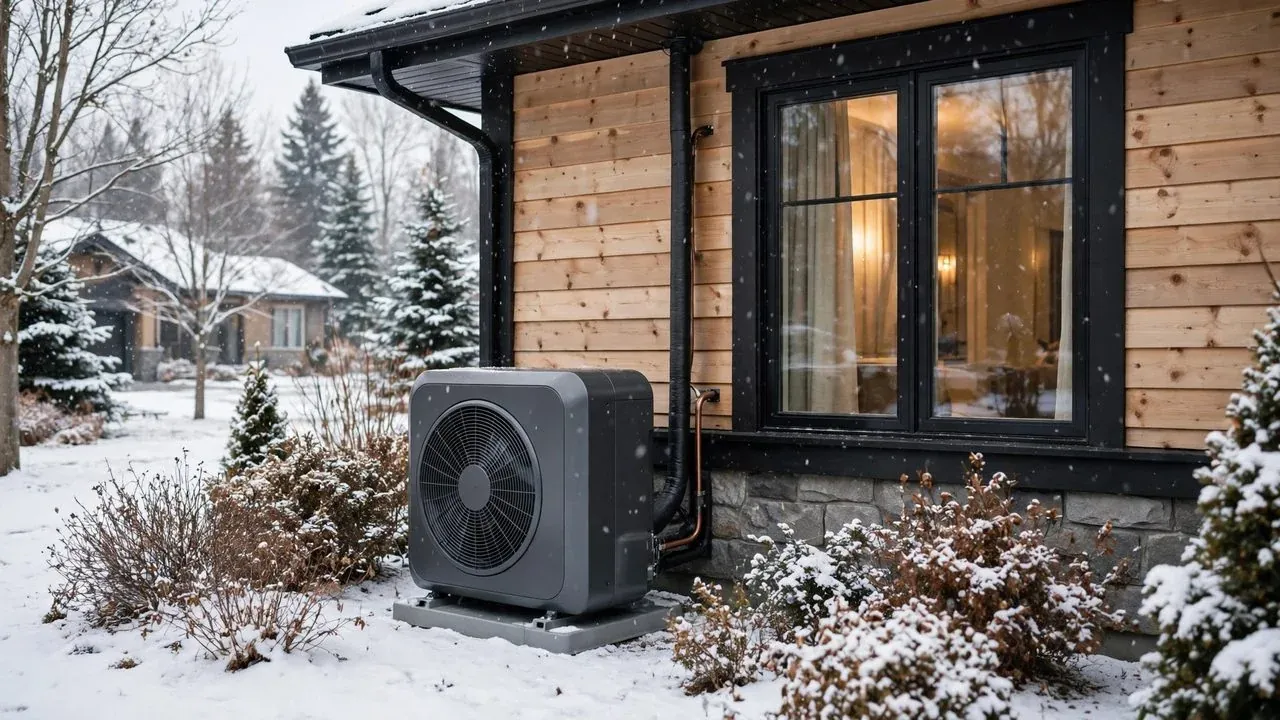
Donna MacEachern, 58, lives in a bungalow on a windy hill in Sydney, Cape Breton, where January arrives like a debt collector. Her oil furnace — a loyal, thirsty beast in the basement — drinks through a fill-up that costs the better part of a thousand dollars, and some winters she needs three. When the furnace kicks on at 5 a.m., Donna can practically hear her bank account groaning.
So when her daughter in Halifax called on October 8, 2026, with news that Ottawa had announced up to $10,000 toward a heat pump, Donna did what any Cape Bretoner would do: she got hopeful, then immediately suspicious. Is it real? When can she apply? Here's the full picture — the announcement, the timeline, the savings maths, and how to prepare without getting burned.
What Ottawa actually announced
The numbers are genuinely striking: $2 billion over eight years, one million home retrofits, 820,000 of them heat pumps. There are two tiers — up to $10,000 for below-median-income households like Donna's, and $2,000 for everyone else who qualifies.
The rebate stacks with provincial programs, so the total help could be even bigger in provinces with their own incentives. And there's one hard rule: one rebate per person — you can't claim for two houses.
When you can actually apply
Circle early 2027 on the calendar — that's when applications open. Until then, the smartest move is to sign up for updates on the official canada.ca page, so you're first through the door instead of hearing about it from your neighbour.
The promised pace is almost unheard of for a federal program: approval within 24 hours of applying, installation as quick as a furnace swap, and the money back in your hands within five days of uploading your receipt. No energy audit required before or after — a huge simplification over past programs. Your heat pump just needs to appear on the federal Eligible Products List, which already carries more than 100,000 models.
Is it worth it for your house?
The government puts the average saving at about $1,400 a year for households switching from oil, propane, or electric baseboards. For Donna, heating with oil in a Nova Scotia winter, that's real money — the kind that decides whether the grandkids' Christmas is generous or modest. If you heat with natural gas, the savings are smaller — but the maths can still work in your favour.
Want your own figure? The estimator at the top of this page asks for your heating type and gives you a personalised number in seconds. We're an independent guide — run your own numbers, then confirm everything on the official site before you spend a dollar.
How Donna is preparing (and what she's NOT doing)
Donna's started collecting quotes from certified installers, and she's asked her electrician to check whether her panel has the capacity for a heat pump. Once the income thresholds are published, she'll confirm which tier her household falls into. That's the sensible prep list.
Here's what she's not doing — and neither should you: installing now in hopes of retroactive coverage. The program hasn't launched, and the official terms aren't out. Install early and you could end up footing the entire bill yourself. Also watch for a different predator: whenever a big rebate is announced, door-to-door 'approved installers' appear asking for deposits. Real installers don't cold-call with government branding — get 2–3 written quotes and check credentials yourself.
Oil, propane, baseboards — who gains the most?
The rebate is open to all eligible homeowners, but the winners are clear: households heating with oil, propane, or electric baseboards. Atlantic Canada is oil country — in Nova Scotia and New Brunswick, thousands of homes like Donna's still run on furnaces installed in the 1990s, and a cold winter can mean $3,000 or more in oil alone.
Switching one of those homes to a cold-climate heat pump typically cuts heating costs dramatically — the government's $1,400-a-year average saving figure is built around exactly this switch. Electric baseboard homes see strong savings too. Natural gas homes save less, because gas is already cheap — but the rebate still takes a big bite out of the installation cost.
And here's a Cape Breton detail Donna appreciated: modern cold-climate heat pumps work down to -25°C or colder, so the old worry about 'heat pumps don't work in real winter' is mostly history. Her installer told her most of his jobs last year were oil-to-heat-pump conversions.